Luftbude was faced with a Herculean task. The online store stocks 180,000 products, but incomplete manufacturer data, missing images and imprecise categorization made scaling difficult. It would have taken years to standardize the product data by hand.
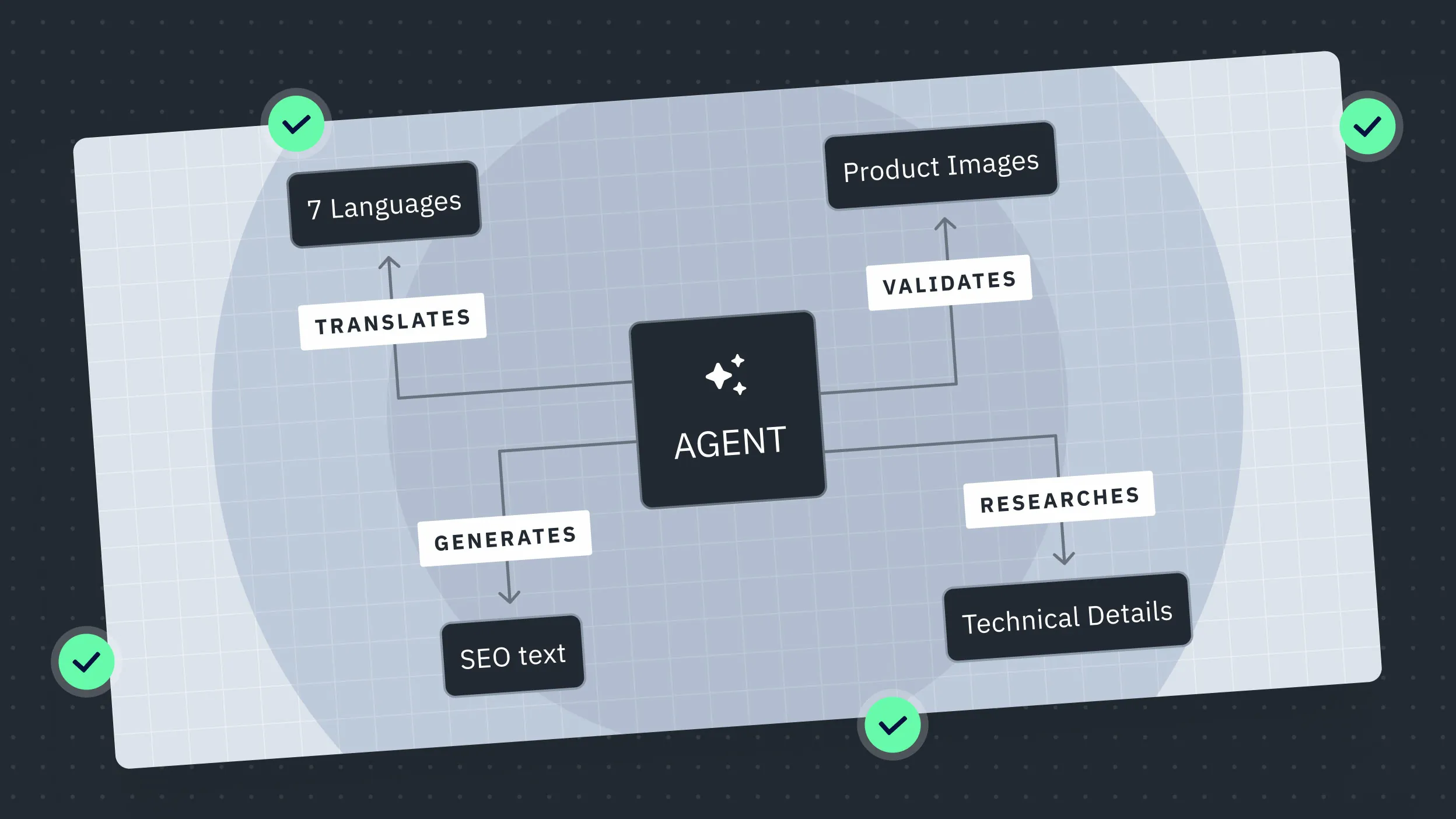
Our answer: a product data agent. It automatically researches technical data, generates SEO texts, validates images using computer vision and translates content into seven languages. The result: within just two weeks, we optimized 180,000 products and created a permanent infrastructure for automated growth.
Client
Industry
Time Frame
Team
Tools
Collab
Products optimized in 2 weeks
Cost savings for translations (vs. DeepL)
Automated content creation
Luftbude sells products from various European manufacturers. This model brought with it a massive data problem: the raw data from the suppliers was too different, incomplete or simply not available.
Tens of thousands of items ended up in a huge “other” category, without filter attributes, without images, but with cryptic descriptions – or none at all. The range was almost impossible for customers to navigate and invisible to search engines. Only a few could be maintained manually.
In addition to a one-off clean-up operation, we also wanted to integrate a permanent and scalable “content factory”. This automated factory was to process large volumes of data permanently, cost-effectively and with high quality.
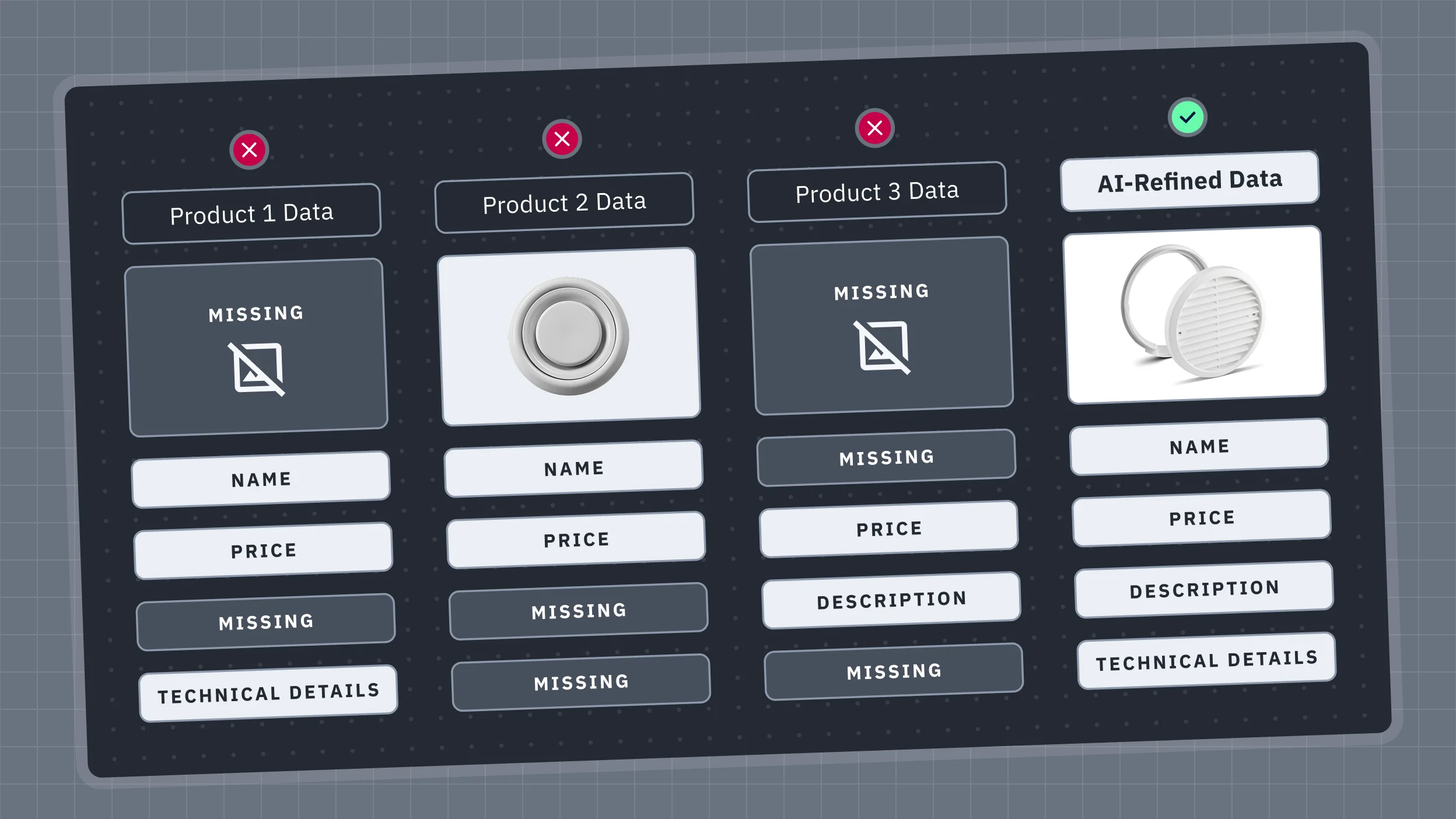
From chaos to perfection: AI-supported data refinement fills gaps and completes faulty product data.
We developed a complex end-to-end automation system based on n8n, which acts as an intelligent nervous system between raw data sources and the Shopware system. The system goes far beyond simple text creation:
Automated deep research: Based on the EAN, the system performs a live web search via Serper API to identify valid technical specifications and sources.
Multichannel content engine: Google Gemini generates target group-specific descriptions for B2B and B2C channels as well as specific texts for various sales platforms.
SEO: At the same time, optimized metadata (titles and meta descriptions) are created to meet search engine parameters.
Logic & structure: The system automatically assigns products to categories and extracts technical attributes, making the store fully filterable for the first time.
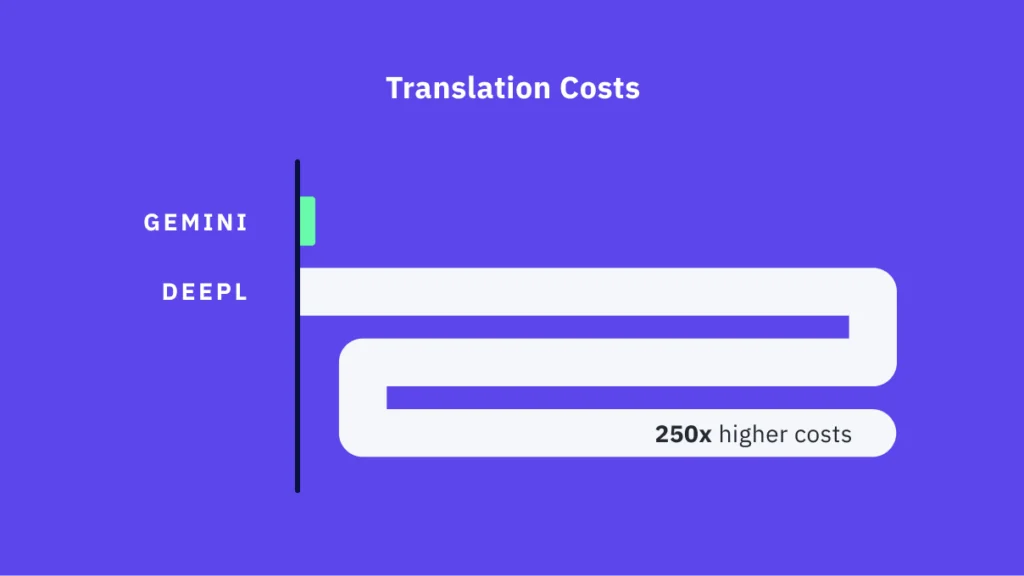
Visual validation & language: A multimodal AI model (GPT-4o mini) researches images and “views” them to check whether they match the article. For internationalization, Gemini 2.5 Pro replaces traditional translation APIs, reducing costs while improving quality.
Automatic translation into seven languages
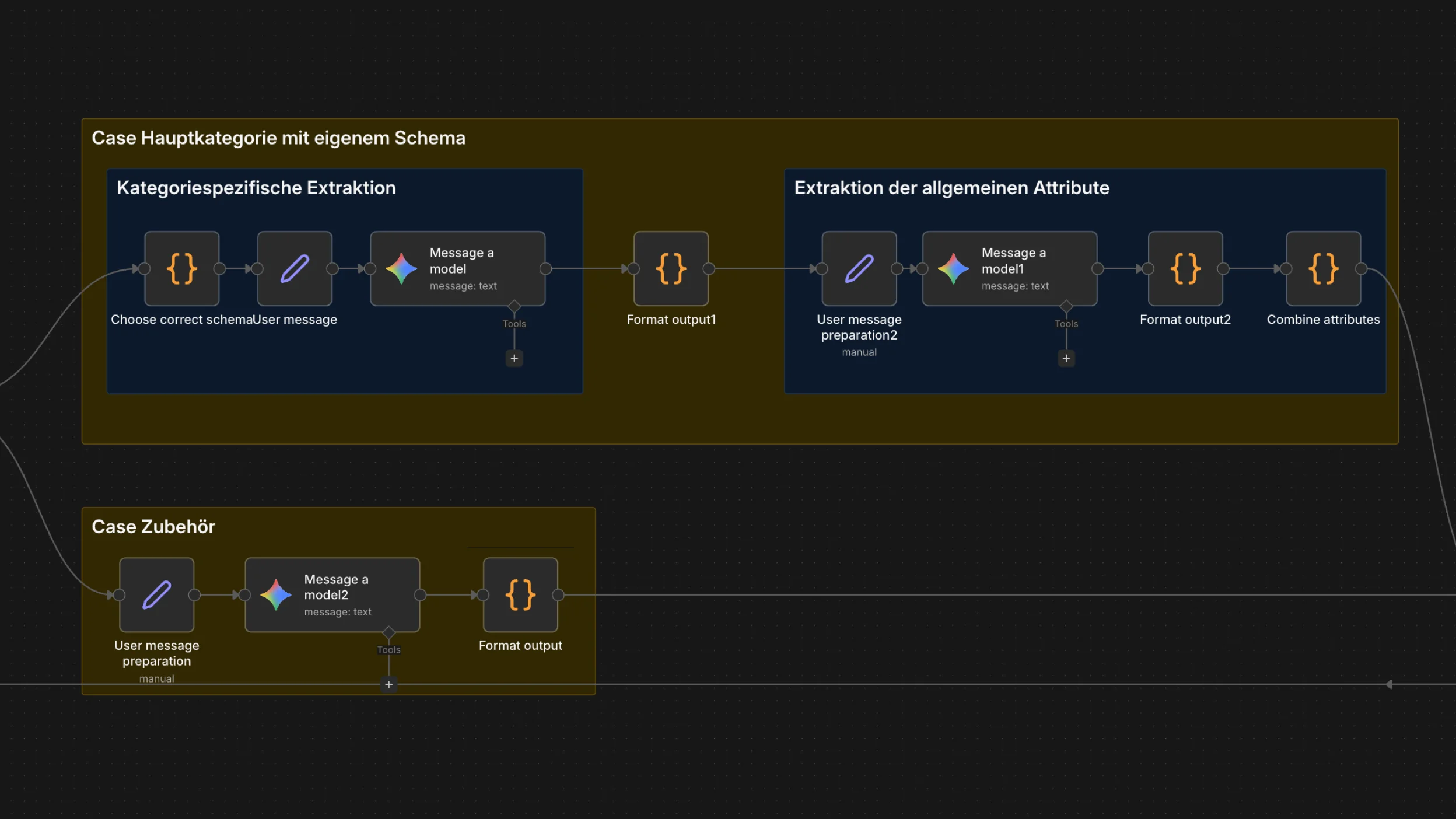
Nodes at work: This n8n dashboard controls AI-supported data extraction and process automation.
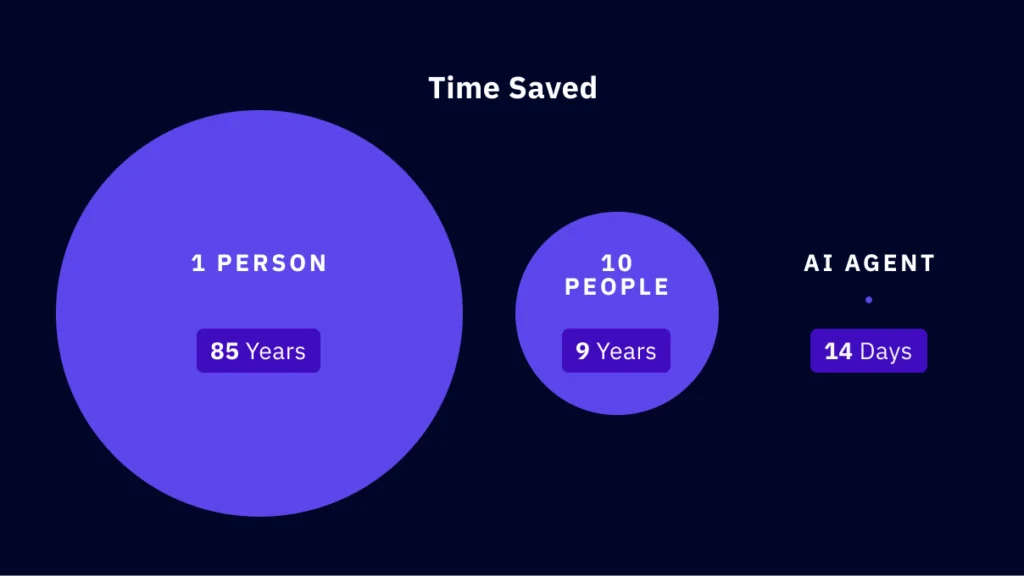
Efficiency in numbers: Intelligent AI agents do in 14 days what would take a human 85 years.
Cost comparison for translations: Gemini beats DeepL with 250 times lower costs.
"Luftbude's catalog used to be a black box. Today, it is a structured competitive advantage. The combination of intelligent research and visual AI validation allows us to present 180,000 products in a quality that would have taken forever to achieve manually."—Christopher (CTO jut-so)
The operational bottleneck was completely eliminated. Within just 14 days, the entire range of 180,000 items was given unique, SEO-optimized descriptions. Around 36,000 products were provided with validated images for the first time.
Thanks to the new, AI-based categorization and attribution, the store is now filterable and user-friendly. Luftbude now has a transparent automation architecture that the team can control independently. Goodbye, hard work. Hello, AI automation.
And you thought that was it, didn’t you?
Discuss your next project with Christopher
Christopher has algorithms in his blood and loves to dance the firefox trot